Publisher
d’Escrivan
Eléonore
Valenciennes, France
Hosting
OVH
2 rue Kellermann - 59100 Roubaix - France
Contacts


36 hours - April 2026

Solo project

“How can you listen to, discover and share music whilst keeping digital technology to a minimum ?”
The Rules of the World


The Quota:
every household has
a weekly energy budget for everything
The Cloud Is a Luxury:
every remote computation is billed
The Screen Must Be Earned:
every pixel
has to justify itself
Physical First:
the gesture replaces
the tap
Always-On Is Dead:
staying permanently connected is seen
as an aberration
Energy Is Earned:
pedaling, producing, repairing generates credits
In 2045, turning on a screen is a choice, not a reflex.
How can you listen to, discover and share music whilst keeping digital technology to a minimum / using as little energy as possible?
Concept’s origins
What if music became a collectable again?

Back to physical albums
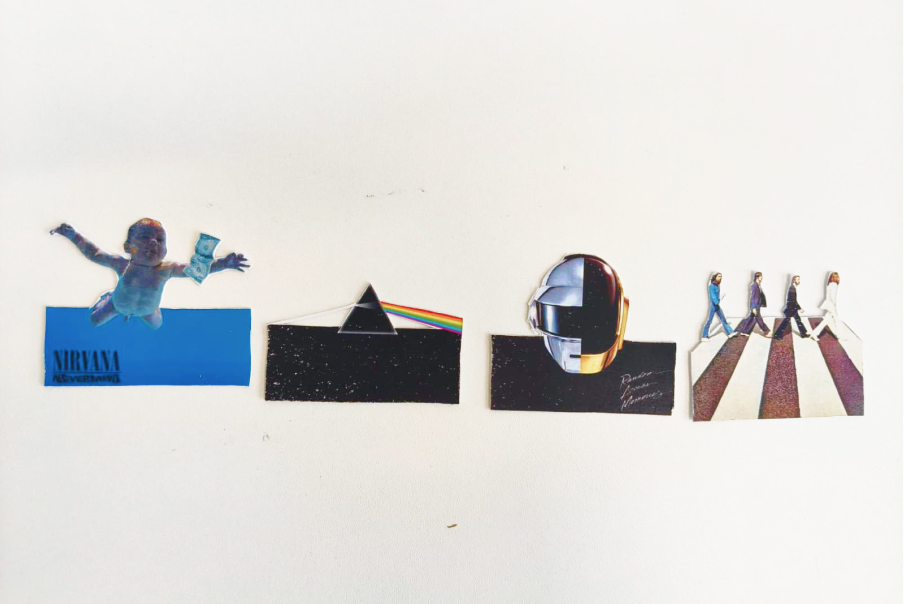
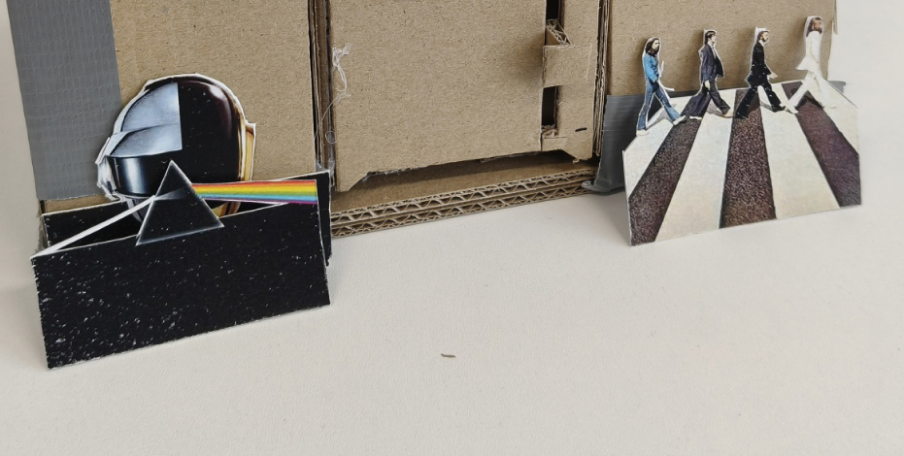
Collectible
NFC tag
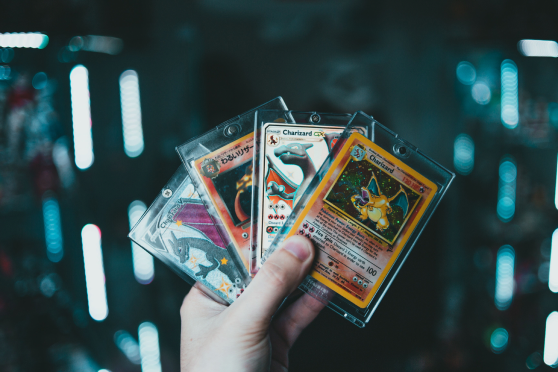
Recycle mobile phones that are gathering dust in a drawer rather than creating a new item
We all have old phone in our drawer today, why would it be different in 2045. With the situation, we can’t use them anymore so why not re-purpose them.
Turning point


New tech
Recycled tech : a case that repurpose your old phone
Physical/digital divide
Every interaction comes at a cost; they must have a purpose.
Function
Play/Pause
Previous/Next
Volume
Title/Artist name
Listen
Saving tracks to the device
Physical
Button
Button

Slider

wired headphones


Resonance chamber

Upload from cards
Digital

Screen on demand

Phone speaker

Phone storage
› Physical first
The gesture, the material, the mechanism. Zero energy.
› Digital on demand
The screen only lights up when the physical aspect isn’t enough.
› Every byte is justified
If it can be a sound, a vibration or a texture: no screen.
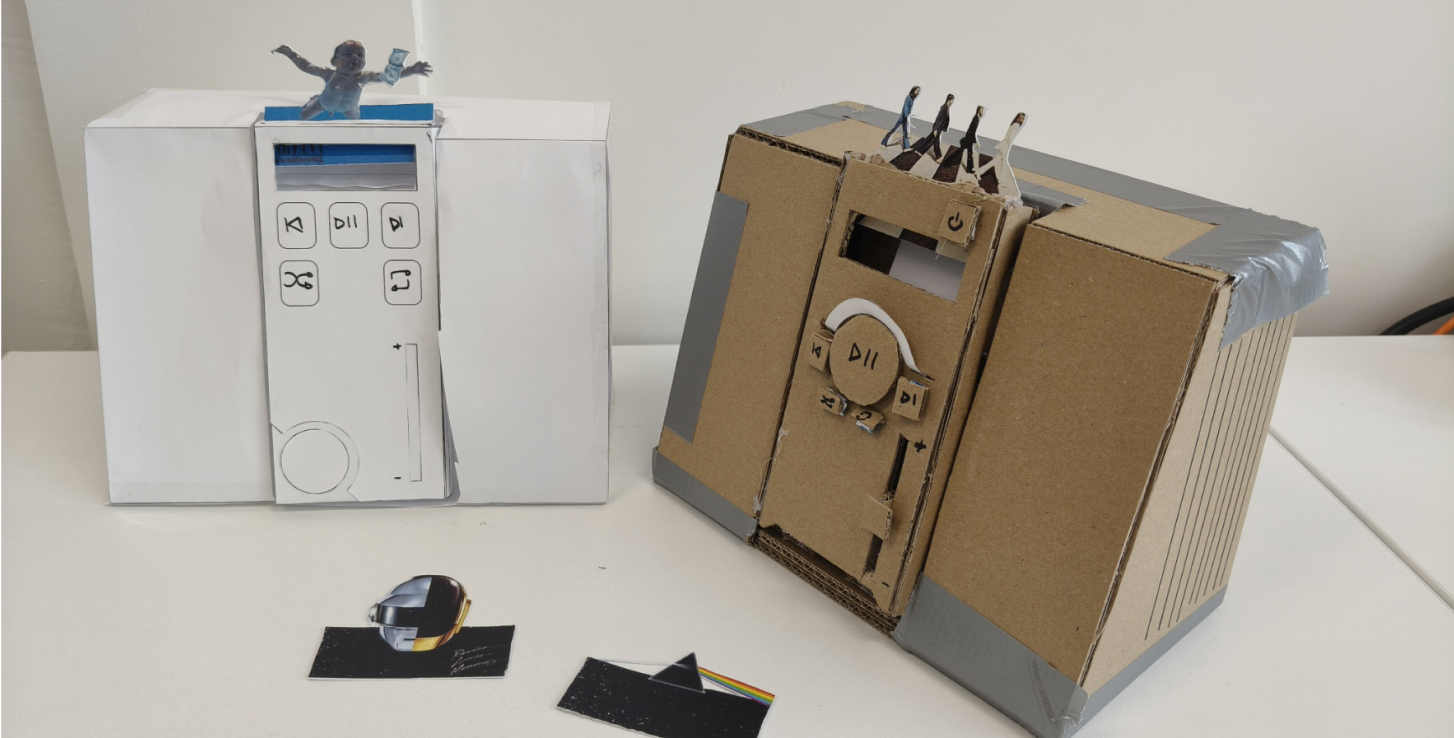
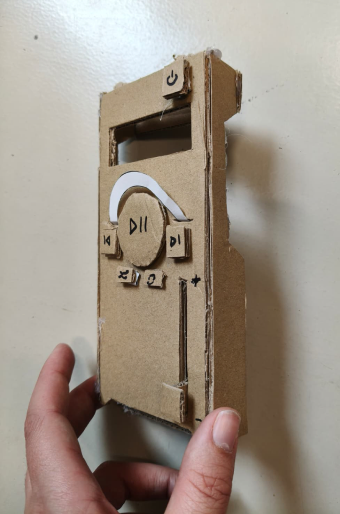
Button layout
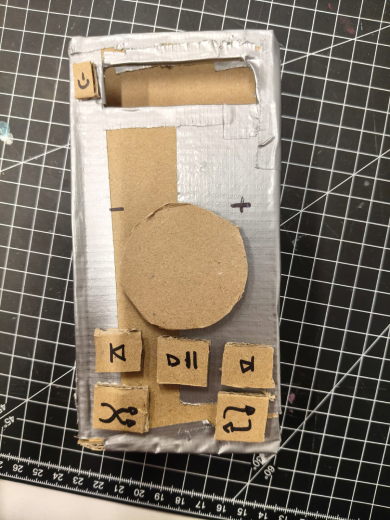
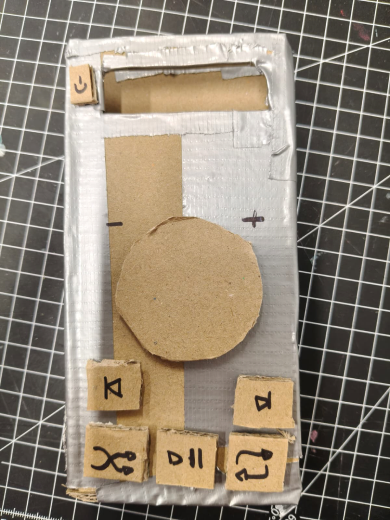
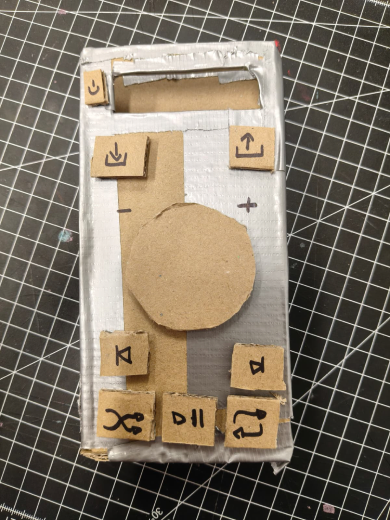
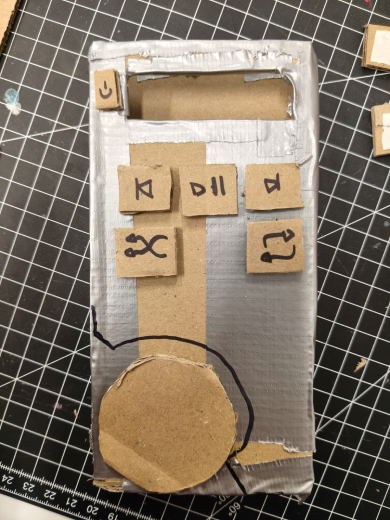
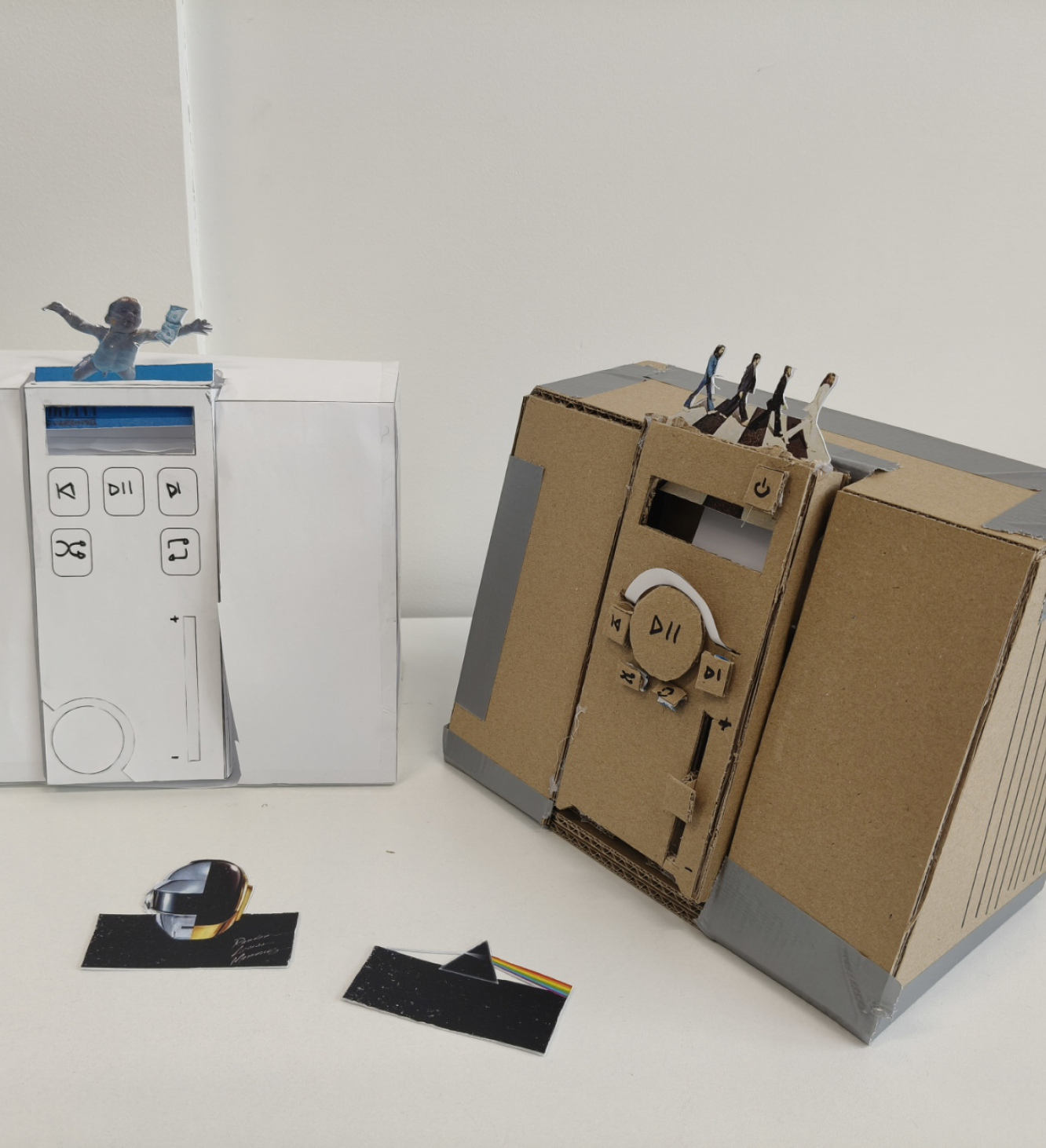
Iterate on mock-up
First prototype with repositionable buttons
Final prototype
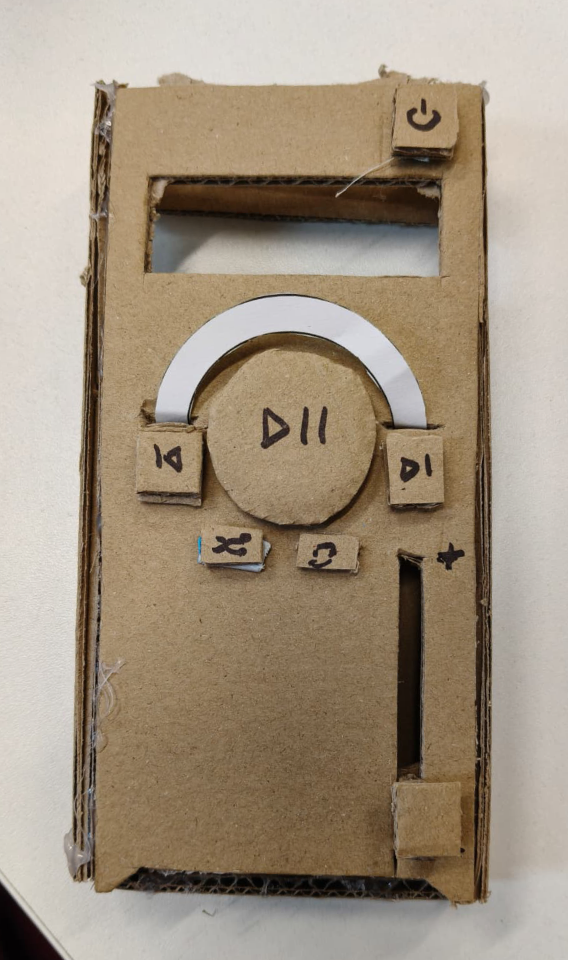
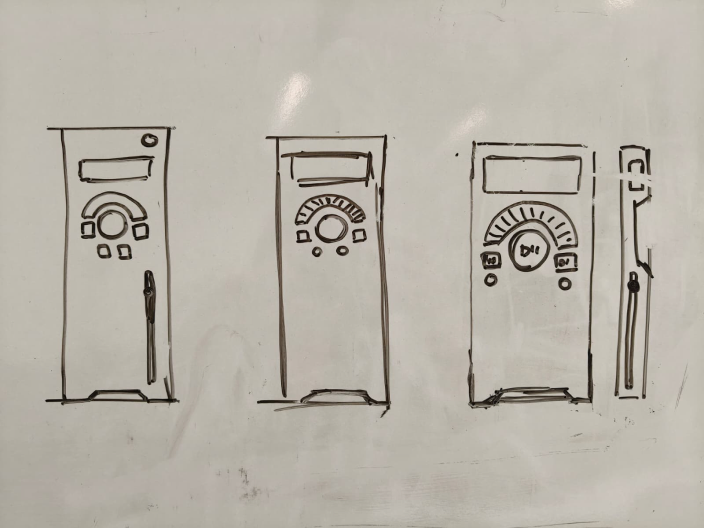
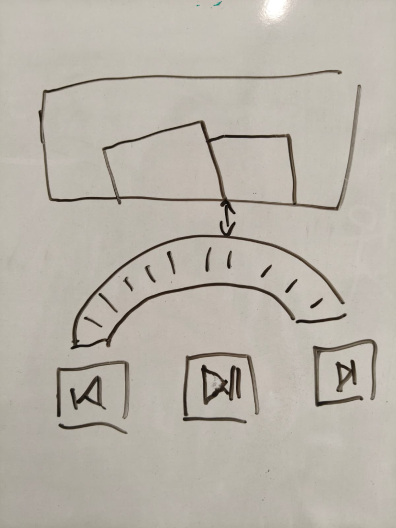
Final concept
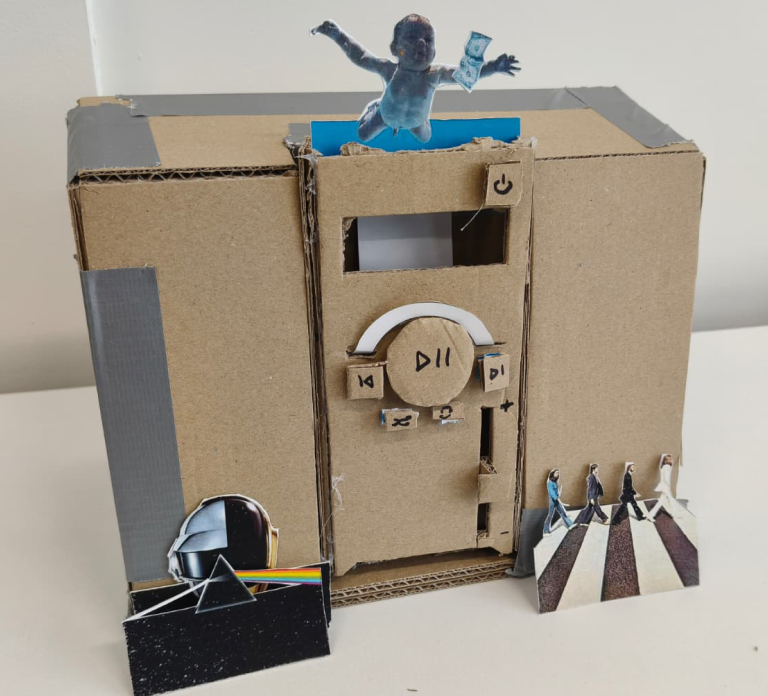
Belt clip
Album card
Phone case
Speaker (resonance chamber)
Personal reflexion
This project reinforced how important it is to prototype quickly and early in the process, especially to test ergonomics and proportions. It's an exercise I particularly enjoy. What I haven't figured out yet is how to bring
that same logic into my longer projects, since they tend
to be more service-centered than product-centered,
and translating prototype-based iteration into service design is a strategy I still need to work out.

Nami
Master thesis